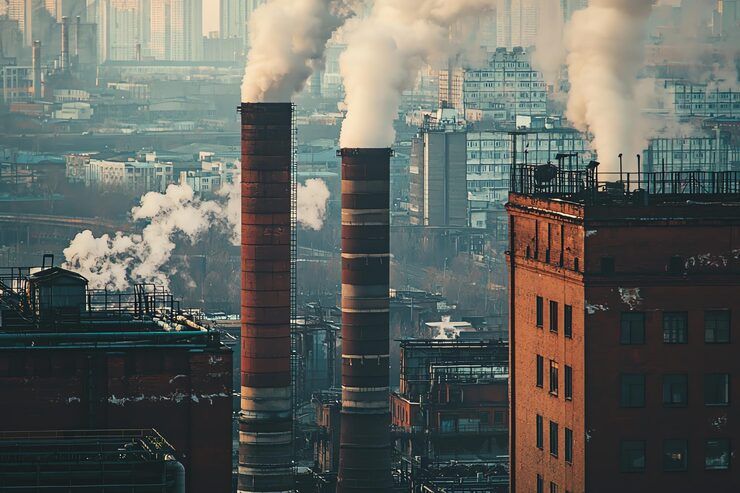
Air pollution control systems are technologies and processes designed to reduce harmful substances released into the atmosphere. These substances may include dust, smoke, particulate matter, nitrogen oxides, sulfur dioxide, volatile organic compounds (VOCs), and other industrial pollutants. They can originate from factories, power plants, vehicles, construction activities, waste treatment facilities, and other sources.
As industrial production and urban development expand, controlling emissions has become an important part of environmental management. Air pollution control systems help organizations manage pollutants before they enter the surrounding environment. The appropriate system depends on the pollutant, its concentration, the volume of exhaust gas, operating conditions, and applicable environmental requirements.
How These Systems Work
Most systems capture, separate, filter, or chemically transform pollutants in exhaust streams. Some technologies remove particles from the air, while others target gaseous compounds or harmful chemical emissions.
Common air pollution control technologies include:
Industrial dust collectors: Capture airborne dust generated during manufacturing, material handling, and processing.
Electrostatic precipitators: Use electrical charges to remove fine particles from industrial exhaust gases.
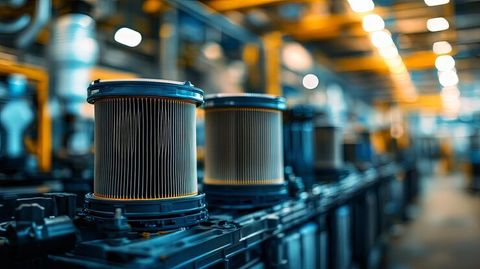
Baghouse filters: Pass polluted air through specialized filter fabrics that retain particulate matter.
Scrubbers: Use liquids or other materials to remove selected gases and particles.
Catalytic reduction systems: Reduce nitrogen oxide emissions through chemical reactions.
Activated carbon adsorption: Capture certain gaseous pollutants and organic compounds on a porous surface.
These technologies may operate individually or as part of a combined emission control system. For example, a manufacturing facility might use a dust collector alongside a scrubber to manage different pollutants.
Why Air Pollution Control Matters Today
Air pollution affects public health, ecosystems, infrastructure, and economic activity. Exposure to particulate matter and certain gases is associated with respiratory and cardiovascular problems. Pollution can also contribute to reduced visibility, acid deposition, damage to vegetation, and deterioration of buildings.
Industrial air pollution control is particularly important because some facilities release concentrated emissions through chimneys, exhaust ducts, or process vents. Without suitable controls, these emissions can affect workers and nearby communities.
Industries That Use Emission Control Technology
Several industries depend on air pollution control systems to manage their environmental impact.
Power generation: Controls particles, sulfur dioxide, and nitrogen oxides from combustion processes.
Cement manufacturing: Captures dust produced during material processing and kiln operations.
Chemical manufacturing: Manages selected gases, vapors, and airborne chemical compounds.
Metal processing: Controls welding fumes, furnace emissions, and metal-containing particles.
Pharmaceutical production: Uses ventilation, filtration, and containment measures appropriate to particular processes.
Waste management: Controls emissions from treatment operations, incineration, and other waste-handling activities.
Environmental and Operational Benefits
Effective emission control can reduce the amount of pollutants entering the atmosphere and support compliance with environmental permits. It can also improve workplace air quality when integrated with suitable ventilation and exposure-control measures.
However, the results depend on correct equipment selection, regular maintenance, and appropriate operating conditions. A system designed for large dust particles may not effectively capture gaseous pollutants, while a gas treatment system may not adequately control fine particulate matter without additional equipment.
Recent Developments in Air Pollution Control
During 2025 and 2026, air quality management continued to receive attention through industrial decarbonization, improved pollution monitoring, and implementation of environmental standards in several jurisdictions. Regulatory requirements differ by country and industrial sector, so organizations must distinguish between proposed measures, adopted rules, and requirements already in force.
Smarter Emission Monitoring
Continuous emissions monitoring systems (CEMS) measure selected pollutants in exhaust gases. Depending on the installation, they can monitor parameters such as particulate matter, sulfur dioxide, nitrogen oxides, and other regulated substances.
Recent technology trends include:
Digital dashboards that display emission readings and equipment operating conditions.
Automated alerts when measurements exceed configured thresholds.
Predictive maintenance models that identify potential filter or equipment problems.
Integration of monitoring data with environmental reporting systems.
Digital monitoring does not replace official testing or regulatory reporting requirements. Instruments must be properly calibrated, maintained, and operated according to applicable standards.
Energy Efficiency and Advanced Filtration
Manufacturers and facility operators increasingly examine the energy requirements of pollution control equipment. Fans, pumps, heating units, and pressure losses across filters can contribute significantly to operating energy use.
Improvements may include optimized airflow, better filter materials, improved cleaning cycles, and variable-speed drives. These changes can help reduce unnecessary energy consumption while maintaining required emission performance.
Greater Attention to Multiple Pollutants
Some industrial processes release several pollutants simultaneously. Facilities may therefore combine particulate filtration, gas absorption, adsorption, and catalytic treatment.
Integrated systems require careful engineering because one treatment stage can influence another. For instance, temperature, moisture, and dust loading can affect the performance of downstream equipment.
Laws and Policies Governing Air Pollution Control
Air pollution control systems are influenced by national environmental laws, industrial emission standards, operating permits, and monitoring requirements. The specific rules depend on the country, the industry, the type of pollutant, and the location of the facility.
Air Pollution Regulations in India
India has established a regulatory framework for controlling industrial emissions and protecting ambient air quality.
The Air (Prevention and Control of Pollution) Act, 1981 provides a legal framework for preventing, controlling, and reducing air pollution. State Pollution Control Boards and Pollution Control Committees oversee relevant industrial activities and compliance requirements.
The Environment (Protection) Act, 1986 provides the central government with powers to establish environmental standards and issue rules addressing pollution.
National Ambient Air Quality Standards (NAAQS) define permissible concentrations of specified pollutants in outdoor air. These standards help authorities assess environmental air quality, although they are distinct from industrial stack emission limits.
The National Clean Air Programme (NCAP) supports air pollution reduction efforts through city-level planning, monitoring, and coordinated action.
Regulatory Developments in 2025–2026
India continued to develop measures relevant to industrial pollution management during 2025 and 2026.
In January 2025, the government notified guidelines concerning the grant, refusal, or cancellation of consent under the Air Act.
In January 2026, amendments to the consent guidelines further addressed industrial environmental compliance procedures.
On February 20, 2026, the Commission for Air Quality Management issued Direction No. 98 concerning revised particulate matter emission standards for identified industries in Delhi-NCR.
In July 2026, the implementation timeline for the revised particulate matter standard was amended. The standard of 50 mg/Nm³ became applicable to the covered industries from October 1, 2026, subject to the direction's scope and applicable exceptions.
Industrial operators should verify the latest applicable notifications, consent conditions, monitoring requirements, and deadlines with the relevant environmental authority. Requirements in Delhi-NCR may differ from those elsewhere in India.
Tools and Resources for Air Pollution Management
Several monitoring tools and technical resources help environmental professionals, facility managers, researchers, and industrial operators understand pollution levels and assess control performance.
Useful Monitoring and Assessment Tools
Air Quality Index (AQI): Provides a simplified indication of outdoor air quality based on measured pollutants.
Continuous Emissions Monitoring Systems (CEMS): Measure selected pollutants in industrial exhaust streams.
Online Continuous Emission Monitoring Systems (OCEMS): Transmit industrial monitoring data electronically where required by applicable regulations.
Particulate matter monitors: Measure airborne particles, including PM2.5 and PM10, depending on the instrument.
Industrial airflow calculators: Help estimate ventilation requirements, duct velocity, and exhaust volume.
Filter pressure-drop monitoring: Helps identify changes in filter resistance that may indicate dust accumulation, blockage, or equipment problems.
Technical Resources and Reference Materials
Environmental professionals can consult guidance from the Central Pollution Control Board, State Pollution Control Boards, the World Health Organization, and the United States Environmental Protection Agency. These organizations publish information on air quality, emission standards, pollution measurement, and control technologies.
Engineering teams may also use equipment inspection checklists, emissions monitoring logs, preventive maintenance schedules, and compliance tracking spreadsheets.
The following table summarizes common technologies and their applications.
| Technology | Main application | Important consideration |
|---|---|---|
| Baghouse filter | Dust and particulate matter | Filter condition and pressure drop |
| Electrostatic precipitator | Fine particles in exhaust gases | Electrical performance and dust properties |
| Wet scrubber | Selected gases and particles | Water management and wastewater treatment |
| Activated carbon system | Certain VOCs and odors | Adsorbent capacity and replacement intervals |
| Catalytic reduction | Nitrogen oxide control | Temperature and catalyst condition |
| CEMS or OCEMS | Emissions measurement | Calibration and data quality |
No single technology controls every pollutant. A qualified engineering assessment should consider emission characteristics, required removal efficiency, energy consumption, maintenance, and waste generated by the treatment process.
Frequently Asked Questions
What are air pollution control systems?
Air pollution control systems are devices and processes that capture, remove, or transform harmful substances before they are released into the atmosphere. They are used in industrial facilities, power plants, manufacturing operations, and other pollution-generating activities.
Which technology is best for industrial air pollution control?
The appropriate technology depends on the pollutant. Baghouse filters are commonly used for dust, scrubbers can treat certain gases, activated carbon can capture selected organic compounds, and catalytic systems can reduce nitrogen oxides. Some facilities require multiple technologies.
How often should air pollution control equipment be inspected?
Inspection frequency depends on the equipment, operating conditions, manufacturer guidance, and regulatory requirements. Routine checks may include filter condition, pressure readings, airflow, leaks, alarms, and monitoring instrument performance. Continuous monitoring does not eliminate the need for physical inspections.
Are continuous emissions monitoring systems mandatory in India?
Continuous emissions monitoring is mandatory for specified industrial categories and installations under applicable directions and regulatory requirements. The exact obligations depend on the industry, location, and relevant authority. Operators should confirm whether their facility must install an OCEMS and transmit data to the designated regulatory platform.
How can industries evaluate pollution control performance?
Industries can review emissions measurements, compare results with applicable limits, inspect equipment condition, analyze operating data, and maintain records of maintenance and corrective actions. Independent testing may also be required. Performance should be assessed against the actual pollutants and standards relevant to the facility.
Conclusion
Air pollution control systems play an important role in reducing industrial emissions and supporting cleaner air. Technologies such as baghouse filters, electrostatic precipitators, scrubbers, activated carbon systems, and catalytic treatment address different types of pollutants.
Advances in digital monitoring, filtration materials, and integrated treatment systems are creating new opportunities to improve emissions management. At the same time, environmental regulations require industries to understand their specific obligations and maintain suitable control equipment.
Effective air pollution management combines appropriate technology, reliable monitoring, regular maintenance, and compliance with applicable laws. A well-designed approach can reduce the release of harmful pollutants while supporting responsible industrial operations and long-term environmental protection.